Topic · Cravings
Meditation for cravings.
Notice the urge. Let it pass. Don't act on it. That's the practice.
What urge surfing is
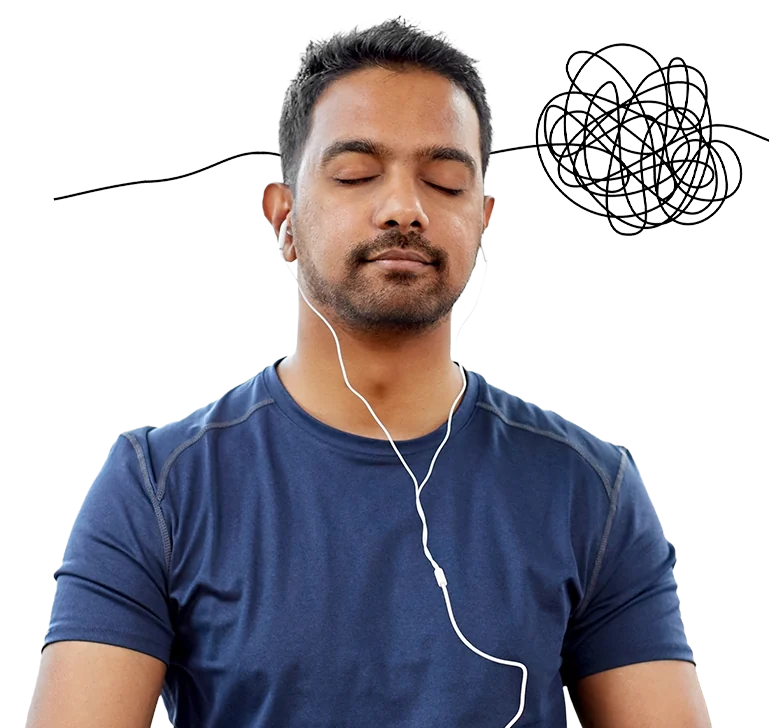
Cravings, including addiction cravings, follow a predictable shape: rise, peak, fall. Most cravings last between five and twenty minutes if you don’t act on them. The peak is usually shorter than people expect. Urge surfing is the practice of noticing the rise, riding the peak without acting, and watching the fall.
The technical name comes from the relapse-prevention work of psychologist Alan Marlatt. The evidence base is real. Mindfulness-based relapse prevention reduces substance use relapse rates in head-to-head trials with standard treatment.
The technique
- Notice the urge. Name it. “This is a craving.” Not “I’m weak” or “I need this.”
- Locate it in the body. Most cravings have a physical location. Chest, mouth, stomach, hands. Find yours.
- Watch it without acting. It will rise. You’re not trying to make it go away. You’re noticing what it does on its own.
- Let it fall. Most cravings drop within five to twenty minutes. You don’t have to do anything for that to happen.
The first time you do this, the urge will probably feel unbearable. The hundredth time, it feels familiar. The practice rewires your relationship to the urge, not the urge itself.
When cravings need more than mindfulness
Substance use disorder isn’t a meditation problem. If alcohol, nicotine, opioids, or any other substance is running your life, the right next step is a clinician trained in addiction medicine. Not another meditation app. Mindfulness-based relapse prevention is a real evidence-based program, but it sits alongside therapy and in many cases medication-assisted treatment, not instead of them.
Food cravings and behavioral compulsions (gambling, pornography, doomscrolling) sit on a spectrum. Mild stuff responds well to mindfulness alone. The serious end of the spectrum needs more.
SAMHSA’s National Helpline (US): 1-800-662-HELP (4357). Free, confidential, 24/7. If alcohol or drugs are the issue, that’s a useful first call.
Cravings practices in the app
Urge surfing. Notice the rise, ride the peak, watch the fall. Try one in the browser. The rest are in the app.
Plays in your browser. No account required.
A curated list of cravings practices is rolling out shortly.
Build your own cravings practice
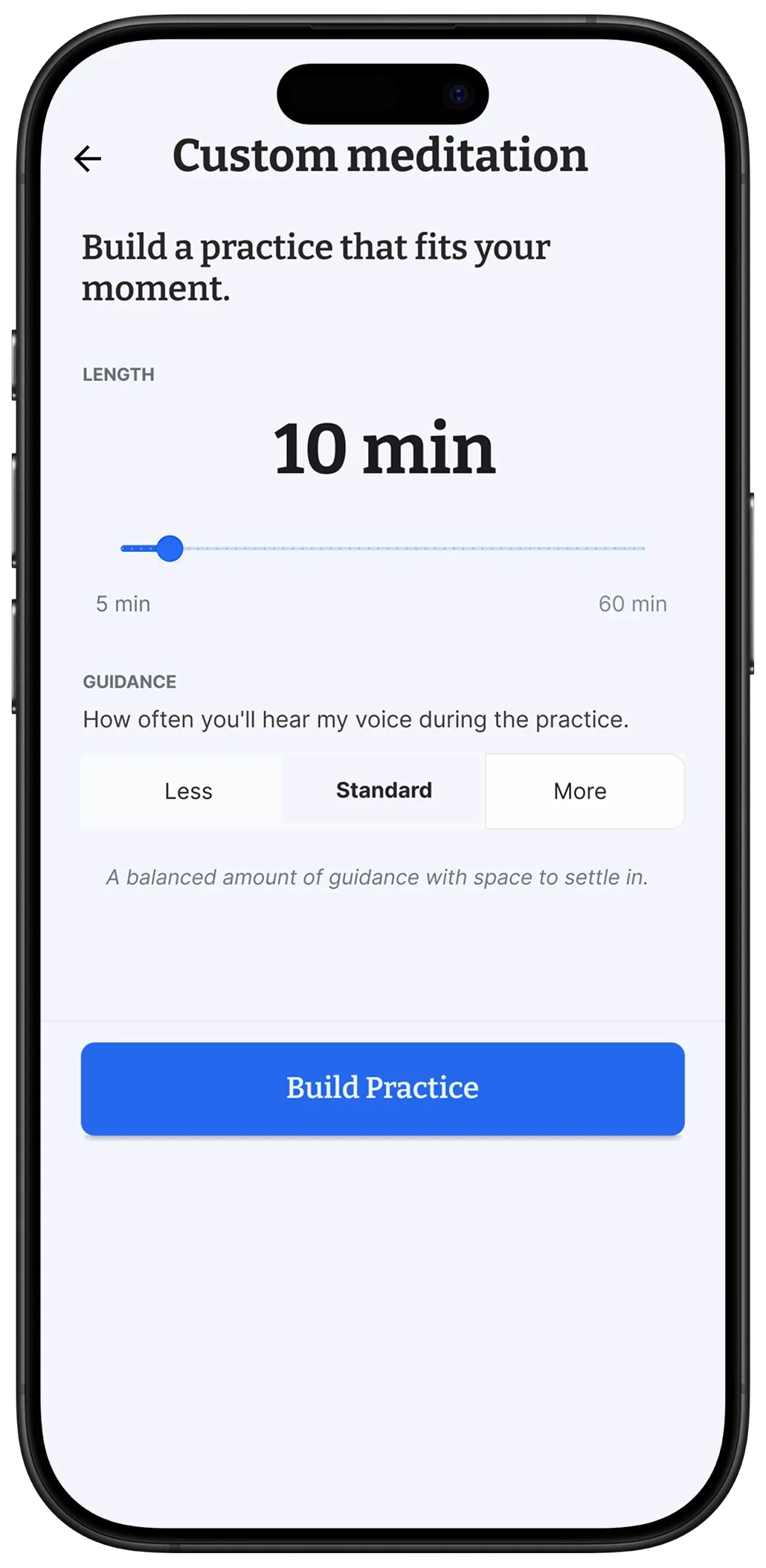
When a craving hits and you have ten minutes, Custom Meditation can build a mindfulness session that walks you through urge surfing. Pick "more" guidance so the voice carries you through the peak. Five to ten minutes is usually enough for a single craving wave.
Try Custom Meditation →


Common questions
How long does a craving last if I don't act on it?
Most last five to twenty minutes. The peak is usually shorter than the rise. People often expect cravings to last an hour and are surprised when they fall on their own.
What if the craving comes back?
Cravings often come in waves. Surf each one as it comes. The pattern over weeks is fewer cravings, lower peaks, faster falls. Not zero cravings. Zero cravings is a different and longer story.
Can I use this for sugar, scrolling, or pornography cravings?
Yes. The same urge-surfing mechanism works for any compulsive behavior. The intensity varies. Cravings for substances tend to be physically stronger.
I have an addiction. Is meditation enough?
Probably not on its own. Mindfulness-based relapse prevention works as part of a treatment plan that usually includes therapy and may include medication. For active substance use, see a clinician.