High blood pressure is common, and it rarely announces itself, which is why so many people look for extra ways to keep it in check. Meditation keeps coming up in that search. So will meditation lower blood pressure?
The short answer is a qualified yes. Reviews of the research, including a 2017 scientific statement from the American Heart Association, find that a regular meditation habit can produce a small but real drop in blood pressure for some people. The effect is modest and varies between studies, so it belongs alongside diet, exercise, and any prescribed medication, not in place of them. Here’s what the evidence actually shows, and how to use it.
How meditation affects blood pressure
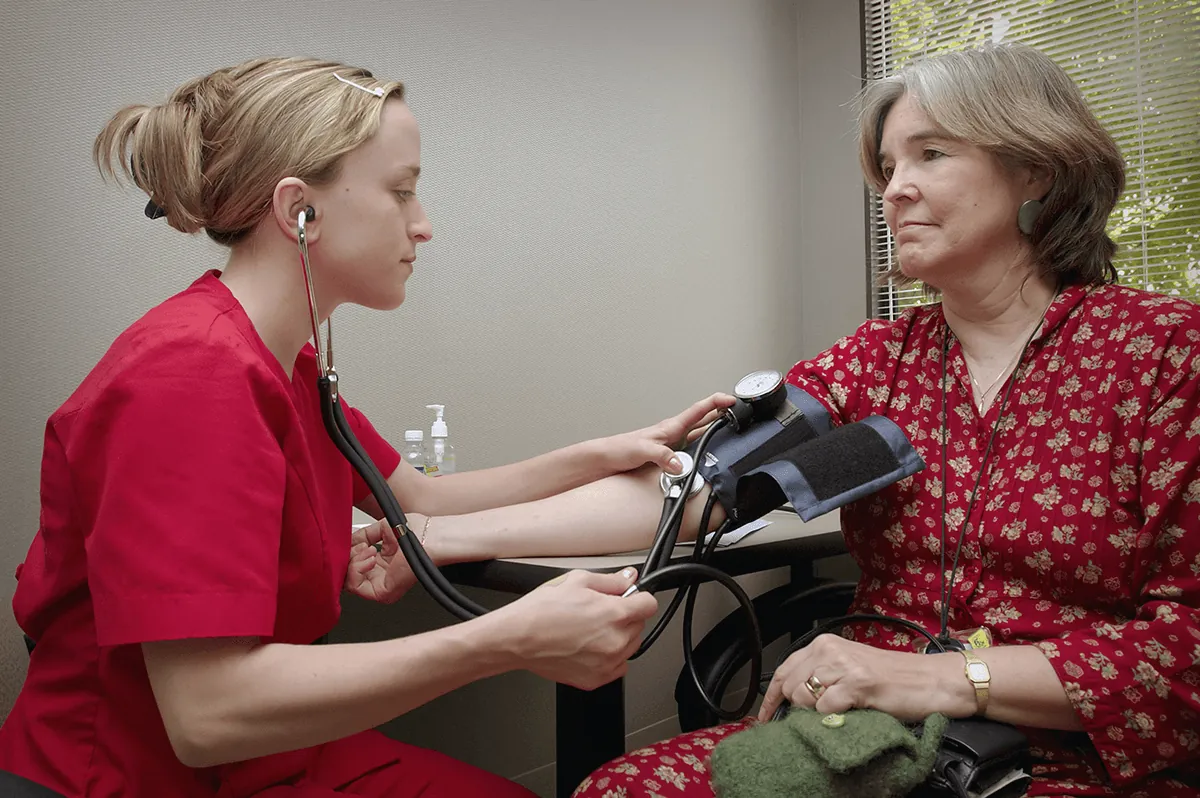
Blood pressure is the force your blood puts on your artery walls, and it rises with a mix of factors: family history, age, diet, poor sleep, and stress. Meditation works on the one you have the most day-to-day control over. By calming the mind and slowing your breathing, a practice can shift your body out of a stressed, fight-or-flight state and into a calmer one, which tends to lower heart rate and ease the pressure on your vessels.
That calming effect is the mechanism most researchers point to. The American Heart Association reviewed the evidence and concluded that meditation may be a reasonable addition to standard care, while also noting that reported reductions in blood pressure vary widely and the research is not strong enough to treat meditation as a proven treatment on its own. Harvard Health reaches a similar, cautious conclusion.
There’s also a knock-on benefit worth naming. People who meditate regularly often find it easier to stick with the other habits that lower blood pressure, like eating well, sleeping enough, and drinking less. Part of meditation’s value here may be the steadier, less reactive frame of mind it builds, which makes those changes more sustainable.
Types of meditation studied for blood pressure
There are many ways to meditate, and several have been tested against blood pressure. None has clearly beaten the others, so the honest takeaway is to pick a style you’ll practice consistently. Here are the three that show up most in the research.
Mindfulness meditation
A simple mindfulness meditation practice anchors your attention on the breath and slows it down, which helps settle the nervous system. It’s the most accessible type of meditation to start with, needs no equipment, and fits into a busy day.
Try this practice from our guided meditation app to calm the body and still the mind.
https://www.youtube.com/watch?v=8nBieS8dN1M
Transcendental meditation
Transcendental meditation (TM) uses silent repetition of a mantra for about 15 to 20 minutes, twice a day, to reach a state of settled awareness. It has been studied more than most styles, and some trials report modest reductions in blood pressure. The evidence is uneven, though, and the American Heart Association was careful not to single it out as clearly superior to other approaches. TM is also taught one-on-one by certified instructors, which makes it a bigger commitment than a free app.
Mindfulness-based stress reduction
Mindfulness-based stress reduction (MBSR) is a structured, eight-week course that combines sitting meditation, body-scan practice, gentle movement, and daily home practice of around 45 minutes. It was designed to help people manage stress and chronic conditions, and it has been tested as a complement to standard care for hypertension. Like the others, the blood pressure results are modest and mixed, but the program is a well-studied way to build a steady practice.
Is meditation an alternative to blood pressure medication?

No. Meditation is not proven to replace blood pressure medication, and you should not stop or change a prescription on your own. Even the studies that show a benefit describe meditation as an add-on to standard care, not a substitute for it. Guideline-directed treatment, which means the diet, exercise, and medication your doctor recommends, stays the foundation.
If your blood pressure is high, the safest plan is to keep following your doctor’s advice and add meditation as one more supportive habit. If you’re hoping to reduce your medication over time, that’s a conversation to have with your doctor, not a decision to make because you started meditating. This article is general information, not medical advice.
How long should you meditate to lower blood pressure?
There’s no exact dose, and how long you should meditate is partly personal. Many studies use daily sessions of roughly 10 to 20 minutes. If you’re new to the practice, start at 5 minutes and build up as it gets easier. What matters most is doing it regularly over weeks and months rather than doing a long session once and stopping.
When is the best time to meditate for blood pressure?
Any time you’ll actually do it is the best time. Some people like the morning, before the day’s stressors pile up, when the mind is still quiet from sleep. Others prefer a session in the evening to unwind. Experts don’t agree on a single ideal window, so pick the slot that fits your routine and that you can keep.
How to meditate to lower blood pressure
A few simple habits make a practice easier to start and stick with. Here’s where to begin.
1. Find a quiet spot
Stress raises blood pressure, so give yourself a calm place to practice, especially early on when focus is harder. Step away from your laptop and silence the notifications on your phone so you’re not pulled out of it.
2. Sit comfortably and breathe slowly
Good posture helps. Sit upright but relaxed, wherever you are, and let your breathing slow down. Slow, steady breathing is the part of the practice most directly tied to a calmer nervous system, so don’t rush it.
3. Use a guide when you’re starting out
Meditation can feel awkward at first, and a guided session takes the guesswork out of it. We built our guided meditation app, Declutter The Mind, for exactly this. You can download the app on iOS and Android and practice wherever you are, with a free library and no credit card required.
Frequently asked questions
Can meditation lower blood pressure?
Yes, modestly. Reviews of the research, including a 2017 scientific statement from the American Heart Association, find that regular meditation can produce a small drop in blood pressure for some people. The size of the effect varies a lot between studies, so it’s best treated as a helpful habit alongside diet, exercise, and any prescribed medication, not as a stand-in for them.
How much can meditation lower blood pressure?
It depends on the person and the study. Some trials report reductions of only a few points, while others show a bit more, and a few show no clear change. The American Heart Association notes that results vary widely and the overall evidence is modest, so nobody can promise you a specific number.
Can I stop taking my blood pressure medication if I meditate?
No. Meditation is not proven to replace blood pressure medication, and stopping a prescription on your own can be dangerous. If you want to reduce or change your medication, talk to your doctor first. Meditation works best as an addition to your treatment, not a substitute.
How long should I meditate to help my blood pressure?
There’s no exact dose. Many studies use sessions of about 10 to 20 minutes a day. If you’re new, start at 5 minutes and build up. Consistency over weeks and months matters more than any single long session.
What type of meditation is best for blood pressure?
No single style is proven best. Mindfulness meditation, transcendental meditation, and mindfulness-based stress reduction have all been studied with modest results. A simple, slow-breathing mindfulness practice you’ll actually keep up is usually the most practical place to start.

Amber is the content manager and outreach specialist at Declutter The Mind. She enjoys yoga, MMA, and of course, meditation!